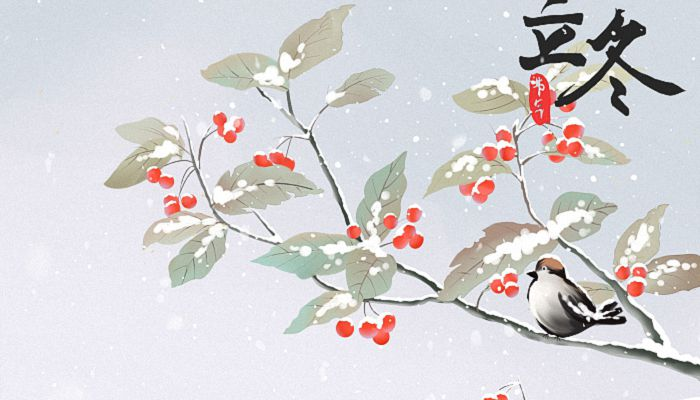
The Beginning of Winter is the 19th solar term in the 24 solar terms and marks the start of winter. When the Big Dipper points northwest and the sun reaches a celestial longitude of 225°, it falls between November 7 and 8 in the Gregorian calendar each year. “Li” means the beginning, and “Dong” means the end—symbolizing that all things enter a state of rest and storage. The Beginning of Winter signifies the gradual dormancy of vitality, with nature transitioning from the dry, rainless autumn to the cold, rainy, and freezing winter climate.
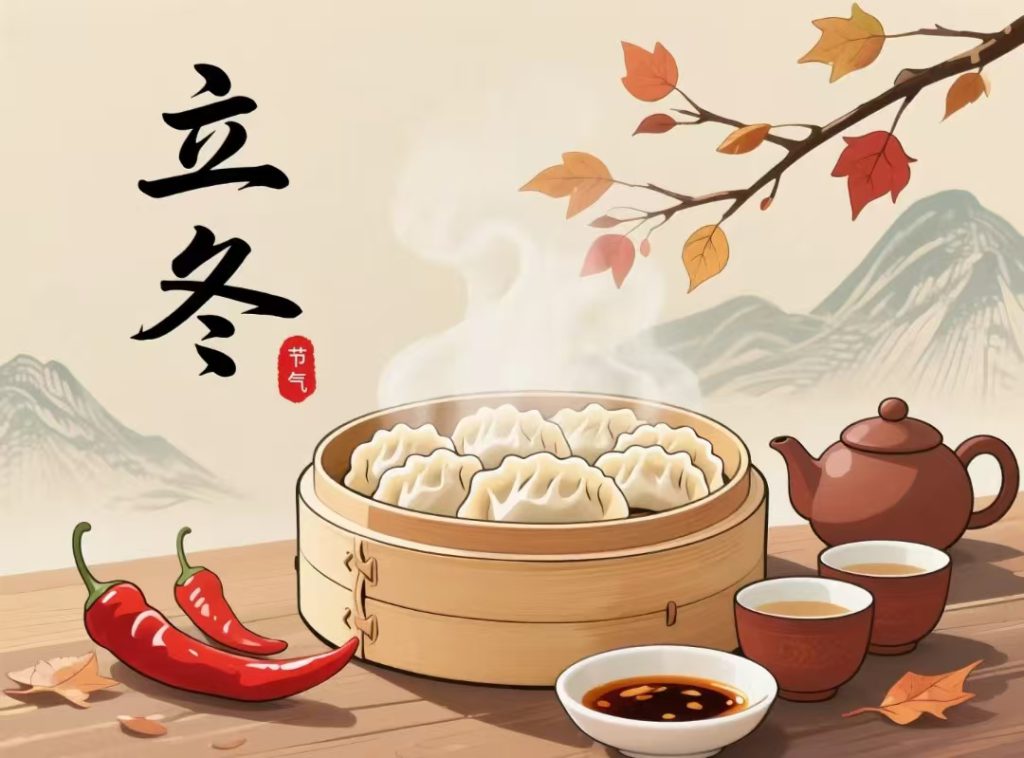
Customs of the Beginning of Winter
Customs for this solar term vary between northern and southern China, but all center on “welcoming winter” and “nourishing for winter,” reflecting people’s adaptation to natural laws and attention to health.
1. Dietary Customs
- Eating dumplings in northern China
There is a proverb in northern regions: “If you don’t eat dumplings on the Beginning of Winter, your ears will freeze off with no one to care.” Dumplings resemble ears, and ancient people believed eating them could symbolically protect ears from winter cold. Additionally, the Chinese pronunciation of “dumpling” (jiaozi) is homophonic with “jiaozi” (the transition between two seasons), signifying the shift from autumn to winter.
- Nourishing for winter in southern China
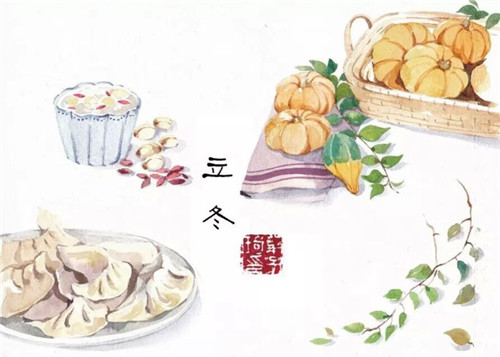
In southern areas like Fujian and Guangdong, the saying goes: “Nourish for winter on the Beginning of Winter to fill the empty mouth.” People stew warm-natured ingredients such as lamb, chickens, ducks, and Chinese herbs to replenish vitality and resist the cold. For example, Chaoshan people eat “keng fan” (a savory rice dish with meat and vegetables), while Jiangsu and Zhejiang regions enjoy glutinous rice balls.
- Other characteristic foods
Eating raw green onions: In Nanjing, there is a belief that “Eating half a green onion a day keeps your legs agile in winter.” Green onions are warm in nature and help dispel cold.
Brewing yellow rice wine: In Shaoxing, locals start brewing yellow rice wine on the Beginning of Winter, known as “winter brewing.” The clear winter water is ideal for fermentation.
2. Winter Welcoming Rituals
- Ancestor and heaven worship in ancient times
During the Zhou Dynasty, the emperor would lead his ministers to hold a “winter welcoming” ceremony in the northern suburbs to worship Zhuanxu, the Black Emperor (god of water virtue). He would also reward soldiers and the elderly without relatives with winter clothes, embodying the idea of “governing in harmony with heaven.”
- Modern agricultural activities
Farmers carry out farmland management around this time—such as harvesting Chinese cabbage in northern China and renovating water conservancy facilities in southern China—to prepare for spring plowing.
3. Health Preservation and Daily Living
- Adding clothes for warmth
Folklore emphasizes “putting on winter clothes on the Beginning of Winter,” highlighting the importance of keeping warm.
- Resting to avoid cold
Traditional Chinese medicine advocates “going to bed early and getting up late, waiting for sunlight” in winter to prevent the loss of yang energy (vitality). People also regulate their bodies through moxibustion and foot soaking.
Philosophical Significance of the Beginning of Winter
The cultural connotations of the Beginning of Winter deeply reflect traditional Chinese philosophical thoughts, especially those of Taoism, Confucianism, and the Yin-Yang and Five Elements theory.
1. Yin-Yang Transition and Harmony Between Man and Nature
- Waxing and waning of Yin and Yang
The Beginning of Winter is a turning point where yang energy gradually retreats and yin energy prevails.
- Correspondence between man and nature
Ancient people advocated “nourishing yang in spring and summer, nourishing yin in autumn and winter.” Winter calls for reducing external activities and focusing on introspection and accumulation, embodying the harmony between humans and nature.
2. Cycle and Regeneration
Although nature appears withered in winter, it is actually a period of latent vitality and preparation. As stated in the Tao Te Ching, “Stillness is the return to the original state of life.” Potential for new growth lies within stillness—this “storage” is for future “growth,” embodying the dialectical thinking that extreme hardship leads to relief.
3. Frugality and Order
Confucianism emphasizes “governing according to natural principles.” The restraint and storage of winter echo the virtue of frugality in social ethics. Ancient emperors would issue decrees to cease wars and allow people to rest in winter. As recorded in The Book of Rites·Monthly Orders, “Order officials to close city gates, repair locks, and guard keys carefully,” emphasizing order and recuperation.
Protection and Inheritance of Beginning of Winter Culture
With changes in modern society, some traditional customs of the Beginning of Winter have faded, but its cultural value still requires systematic protection.
1. Current Situation and Challenges
- Urbanization has weakened agricultural culture, leading to vague understanding of solar terms among younger generations.
- The impact of Western festivals has diminished the sense of ritual associated with traditional solar terms.
2. Protection Measures

- Educational dissemination
Incorporate the 24 solar terms into primary and secondary school curricula, enhancing cultural identity through agricultural experiences and poetry appreciation.
- Intangible cultural heritage (ICH) protection
As part of the 24 solar terms, the Beginning of Winter has been inscribed on the UNESCO ICH List. Local folk customs—such as Shaoxing’s winter yellow rice wine brewing and northern dumpling feasts—can be developed into cultural brands.
- Innovative expression
Reinterpret the Beginning of Winter through new media (short videos, cultural and creative products), such as launching “digital solar term museums” or health-themed cultural and tourism activities.
- Community practice
Revive public welfare activities like respecting the elderly and giving winter clothes on the Beginning of Winter to strengthen community cohesion and continue traditional humanistic care.
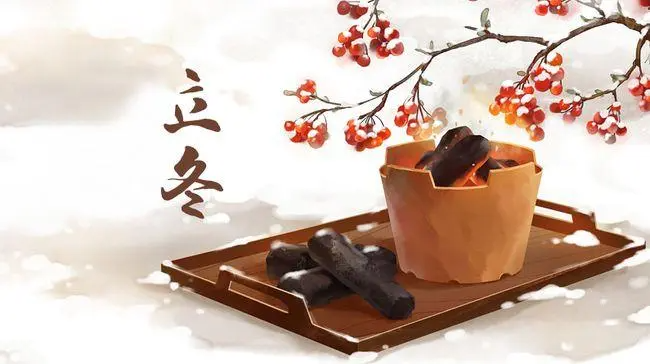
The Beginning of Winter, the 19th and first solar term of winter, typically falls on November 7 or 8. It marks the end of autumn and the start of winter, as nature enters a phase of dormancy and recuperation. More than a meteorological milestone, it carries rich cultural connotations, philosophical ideas, and folk traditions.