Category: Yunnan Pu’er tea Guide
Yunnan Puer tea Guide
-
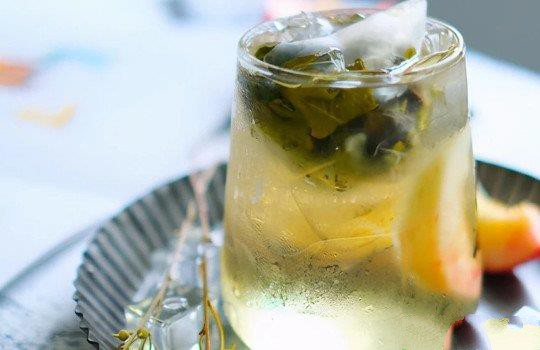
Cold Brew Tea: Why It Has Become a Summer Drink Favorite?
“Cold brew tea” is a very popular and simple tea-making method, especially suitable for enjoying in the hot summer months. It refers to the process of steeping tea leaves in cold water for an extended period, extracting the flavors of the tea slowly at low temperatures. Cold brew tea has become popular because it perfectly…
-

Dry Storage vs. Wet Storage: How Aging Environment Shapes Pu’er Tea
Dry Storage Definition: Refers to storing Pu’er tea in a dry, well-ventilated, and stable environment (typically 20-25°C, 50-70% relative humidity) under natural conditions. Characteristics: Regarded as the traditional and mainstream storage method, it better showcases the value of Pu’er tea developing richer flavors over time. Wet Storage Definition: Refers to artificially controlling the storage environment…
-
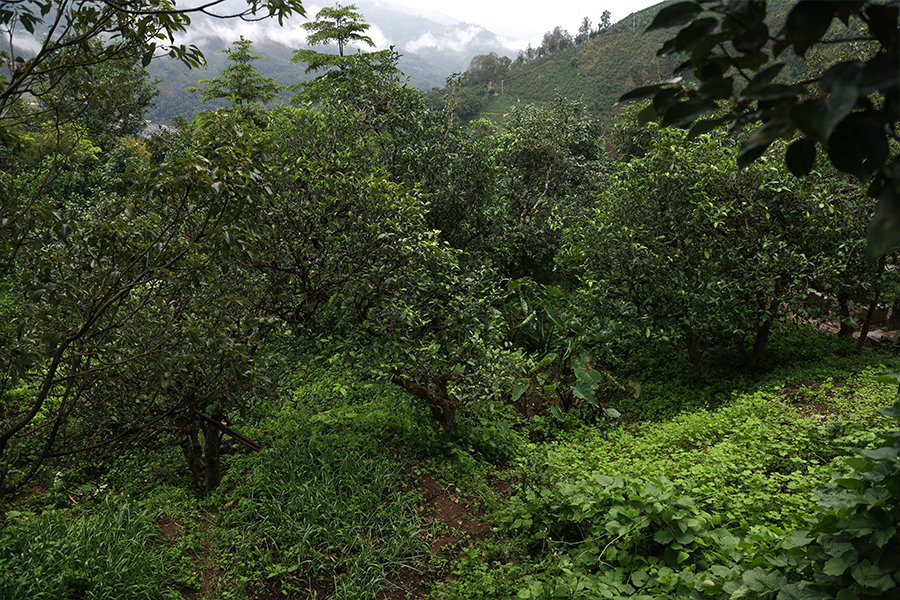
Definition of Pu’er Tea
Pu’er tea is strictly defined by Chinese national standards as a geographically protected product unique to Yunnan. Its identity is built on three key elements: specific origin, specific raw materials, and specific processing methods. Below is a simplified explanation based on the official standard (GB/T 22111-2008): Specific Origin Pu’er tea must come from 639 designated towns across 11 prefectures in Yunnan…
-
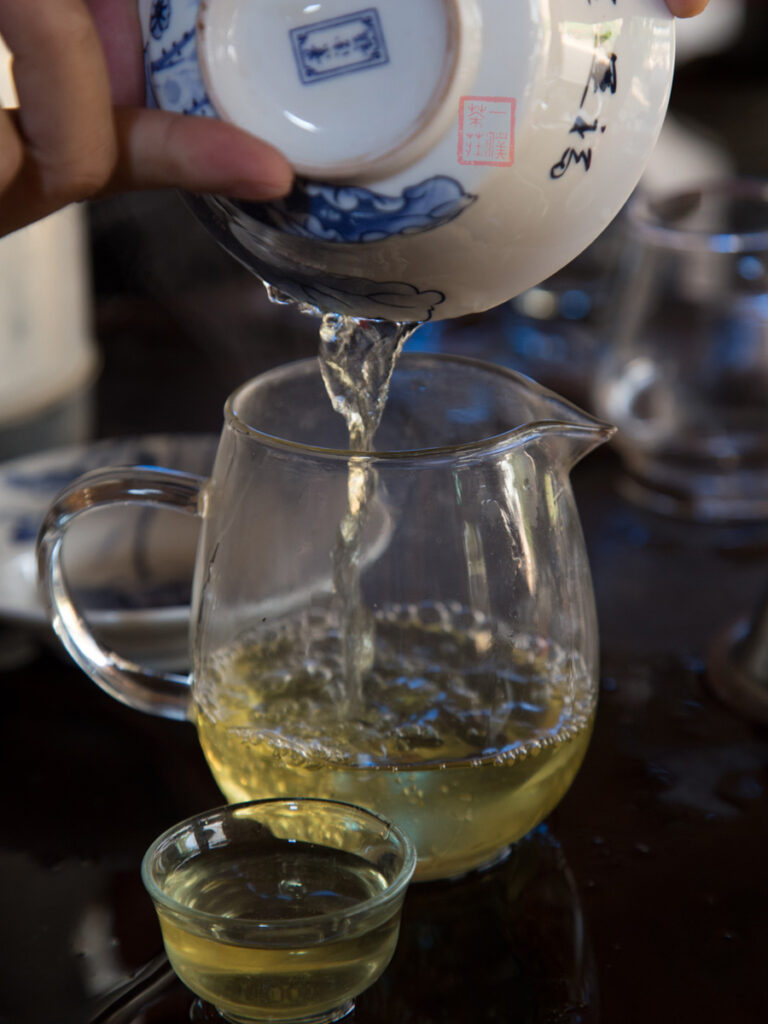
Will drinking Pu’er tea help you lose weight?
1.Why Might Pu’er Tea Help Manage Weight? The link between Pu’er tea and weight lies in its unique compounds, which interact with the body’s metabolism. This can be understood through three tangible, everyday effects: Key components in Pu’er tea are tea polyphenols (such as catechins) and theabrownins. Theabrownins bind to dietary fat in the intestines,…
-
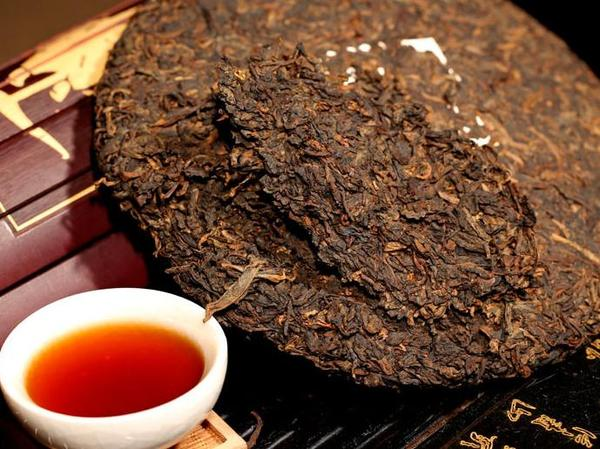
The significance of aging for Pu’er tea.
What is “Aging”(Chenhua)? In simple terms, “aging” (also referred to as “maturation” in some contexts) refers to the process where Pu’er tea, under proper storage conditions, undergoes slow and complex transformations in its internal compounds over time. This causes its liquor color, aroma, and flavor to continually evolve toward a smoother, richer, and more captivating profile. It is…
-
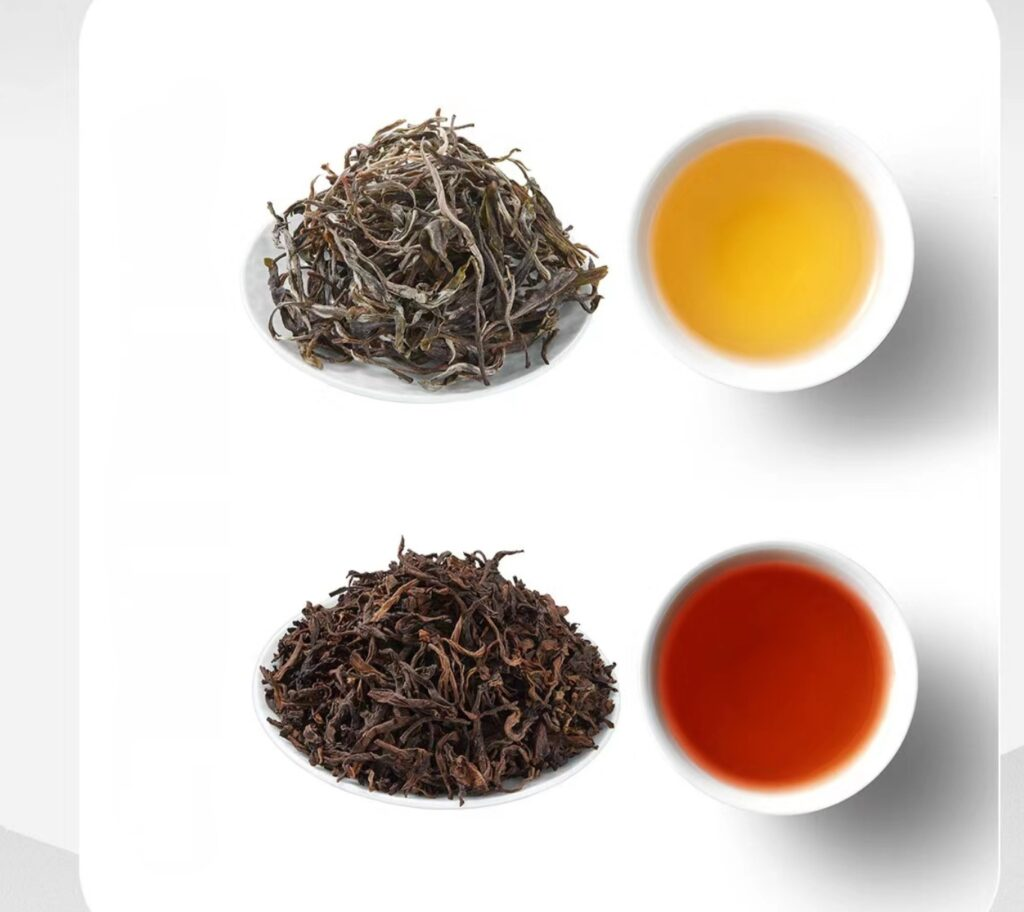
The characteristics of new and old raw Pu’er tea, as well as new and old ripe Pu’er tea.
New Raw Pu’er Tea The aroma is high – pitched, usually presenting floral, honey, milk, or mushroom scents. The taste of the tea soup is highly stimulating and aggressive. The style of the soup body varies, showing characteristics such as being delicate, sharp, thick and smooth, or having a distinct sense of structure. Besides the…
-
Tea Qi
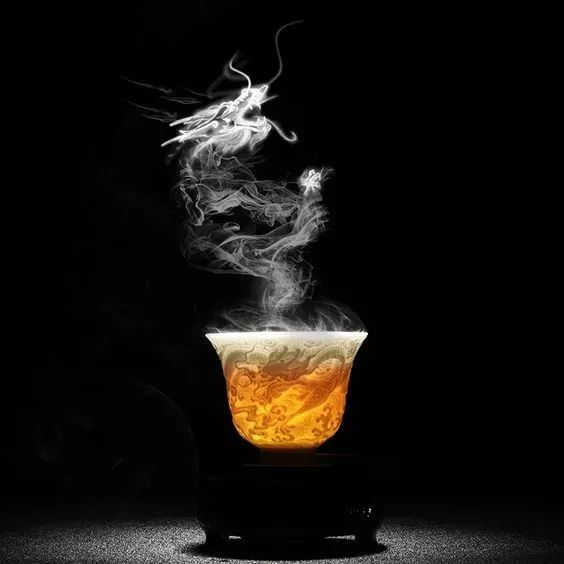
Explanation of Tea-tasting Terms – Tea Qi Tea Qi Explanation of Tea-tasting Terms – Tea Qi The Chinese people highly value artistic conceptions. The most representative ones are definitely calligraphy, traditional Chinese paintings, and even the layout of Chinese-style gardens. Calligraphy works, paintings, and gardens all create an abstract aura through aesthetic perception. This kind…
-

Yiwu – style Charm of Pu – erh Tea
Yiwu is the only tea – producing area among several major Pu’er tea – producing areas that names its unique charm after the region, which demonstrates the distinctiveness of Yiwu charm. The charm is the overall sum of the aroma, taste, and after – taste experience after the tea soup enters the mouth. It includes…
-

Explanation of tea-tasting terms: “Aroma on the Cup Wall”
“Aroma on the Cup Wall”: It refers to the fragrance that remains on the gaiwan (a kind of Chinese tea set with a lid, a bowl, and a saucer) or the cup after the tea soup in it has stayed for a while or been drunk up.