Drinking tea can make people think clearly. Let’s fall in love with tea together!
-

Dry Storage vs. Wet Storage: How Aging Environment Shapes Pu’er Tea
Dry Storage Definition: Refers to storing Pu’er tea in a dry, well-ventilated, and stable environment (typically 20-25°C, 50-70% relative humidity) under natural conditions. Characteristics: Regarded as the traditional and mainstream storage method, it better showcases the value of Pu’er tea developing richer flavors over time. Wet Storage Definition: Refers to artificially controlling the storage environment…
-
Definition of Pu’er Tea
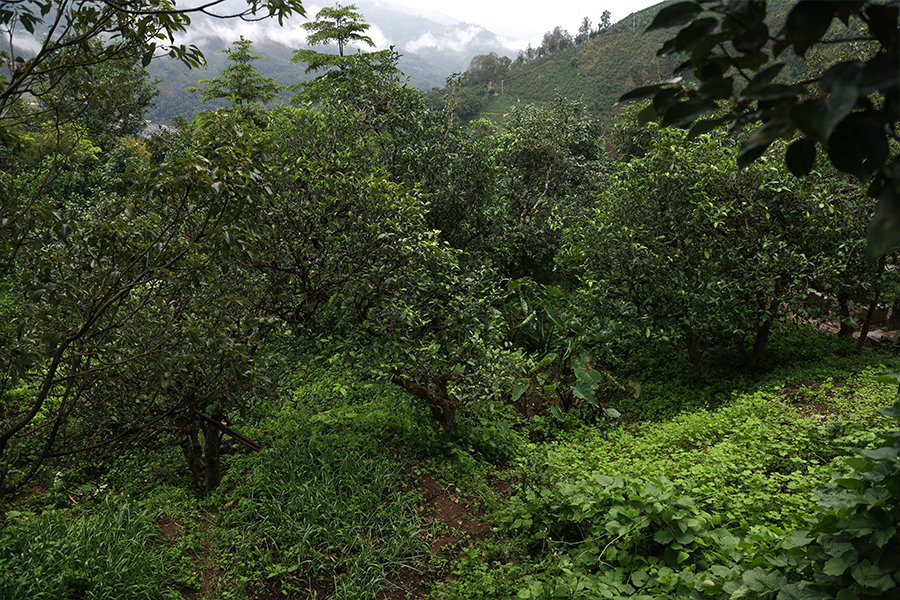
Pu’er tea is strictly defined by Chinese national standards as a geographically protected product unique to Yunnan. Its identity is built on three key elements: specific origin, specific raw materials, and specific processing methods. Below is a simplified explanation based on the official standard (GB/T 22111-2008): Specific Origin Pu’er tea must come from 639 designated towns across 11 prefectures in Yunnan…
-
Will drinking Pu’er tea help you lose weight?
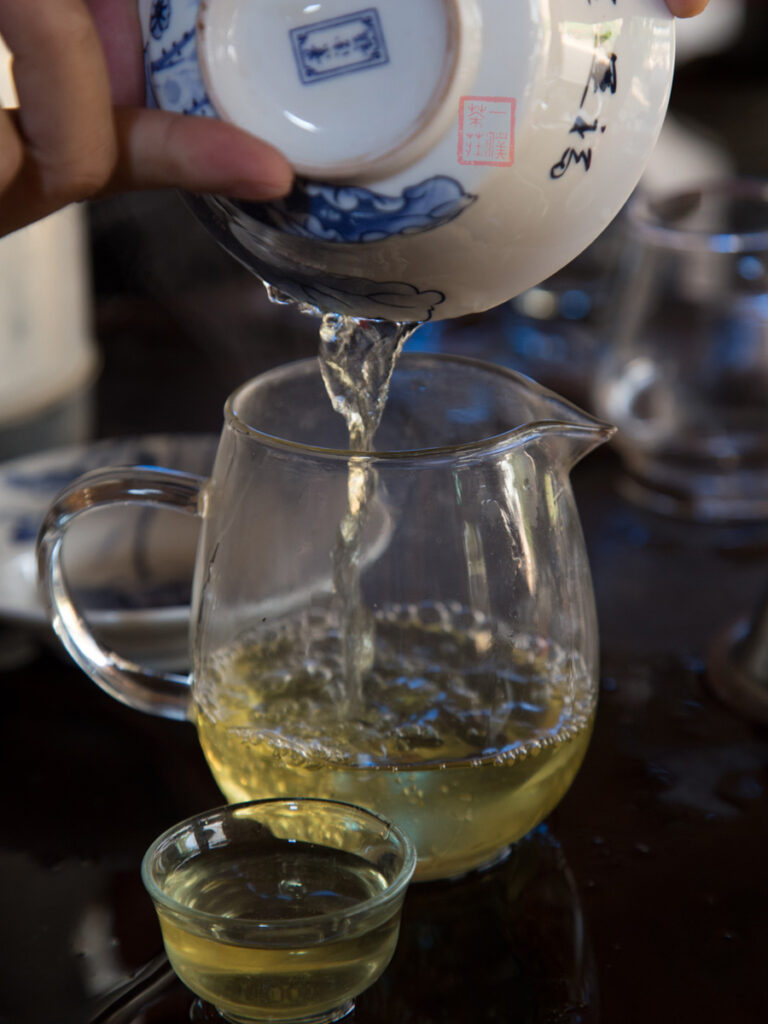
1.Why Might Pu’er Tea Help Manage Weight? The link between Pu’er tea and weight lies in its unique compounds, which interact with the body’s metabolism. This can be understood through three tangible, everyday effects: Key components in Pu’er tea are tea polyphenols (such as catechins) and theabrownins. Theabrownins bind to dietary fat in the intestines,…
-
The significance of aging for Pu’er tea.
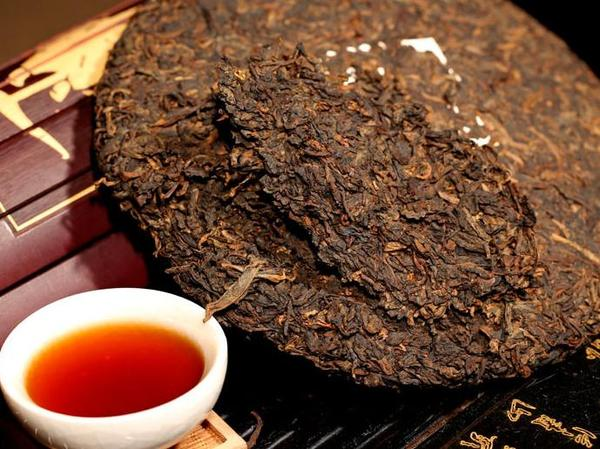
What is “Aging”(Chenhua)? In simple terms, “aging” (also referred to as “maturation” in some contexts) refers to the process where Pu’er tea, under proper storage conditions, undergoes slow and complex transformations in its internal compounds over time. This causes its liquor color, aroma, and flavor to continually evolve toward a smoother, richer, and more captivating profile. It is…
-
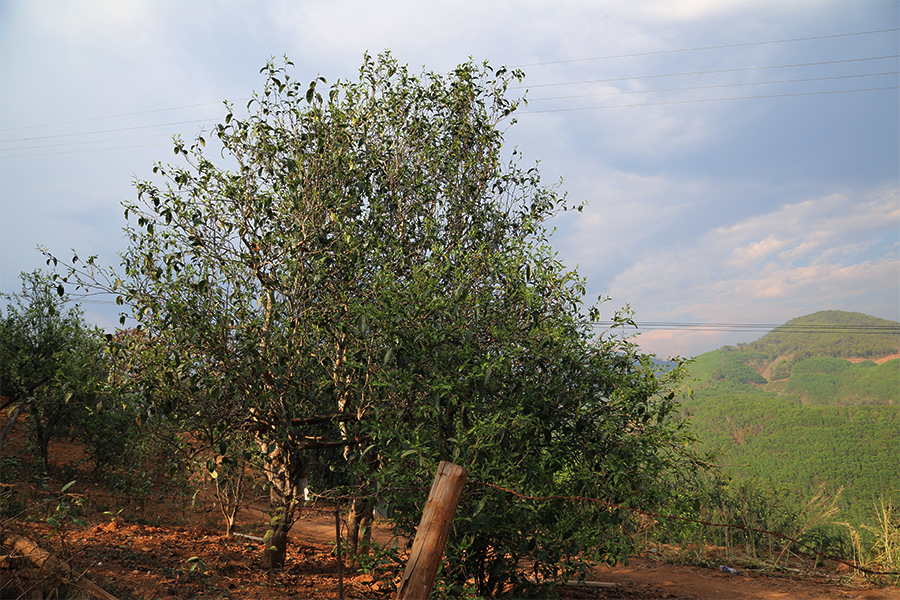
Introduction to the Taste of Xigui Ancient Tree Tea
Xigui Ancient Tree Tea, grown along the Lancang River in Bangdong Township, Lincang, Yunnan, is renowned in the tea world as the “Ban Zhang of Lincang.” Thriving on steep slopes at a low altitude (approximately 750 meters), these tea trees are nurtured by alternating fog and intense sunlight, while the lateritic red soil and riverside…
-
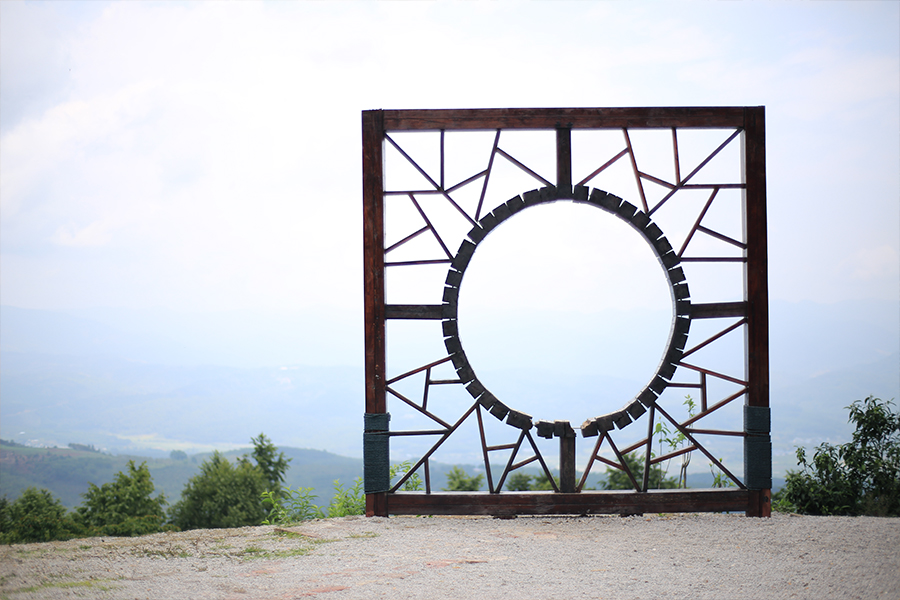
Introduction to the Taste of Jingmai Ancient Tree Tea
Jingmai Ancient Tree Tea, originating from the millennium-old tea forests of Jingmai Mountain in Yunnan’s core Pu’er tea region, is renowned for its unique ecological environment and ancient tree resources. It embodies the iconic “Jingmai aroma” and a delicate, harmonious flavor profile, earning it the title of “the hermit of teas.” Its taste characteristics can…
-
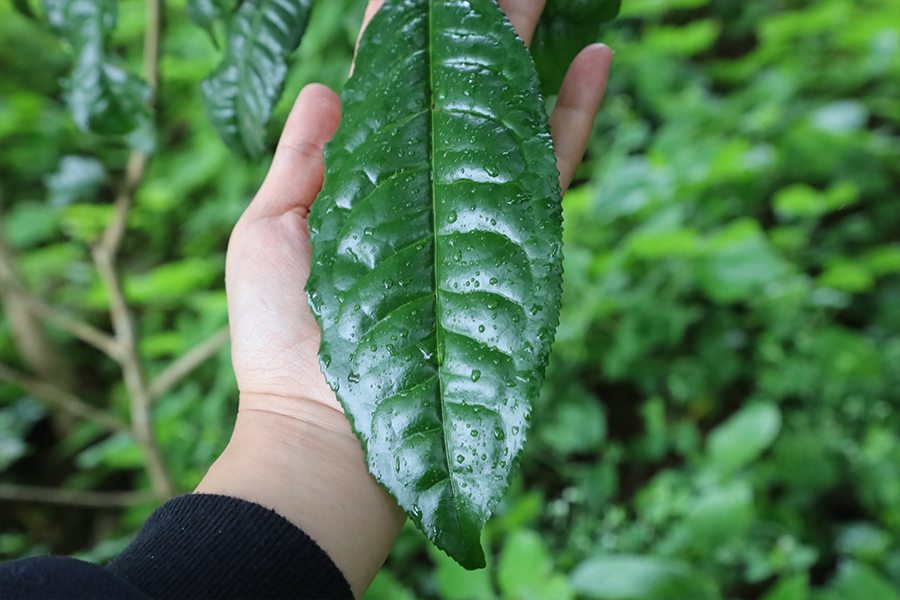
Bingdao Ancient Tree Tea: Flavor Profile”Rock Sugar Sweetness” in Tea
Bingdao Ancient Tree Tea, harvested from Bingdao Village (called “Biandao” or “Bingdao” in the Dai language) in Mengku Town, Shuangjiang County, Lincang City, Yunnan Province, is widely regarded as one of the finest mountain teas in the Pu’er tea world. The tea trees, mostly over a century old, thrive in the pristine forests at an…
-
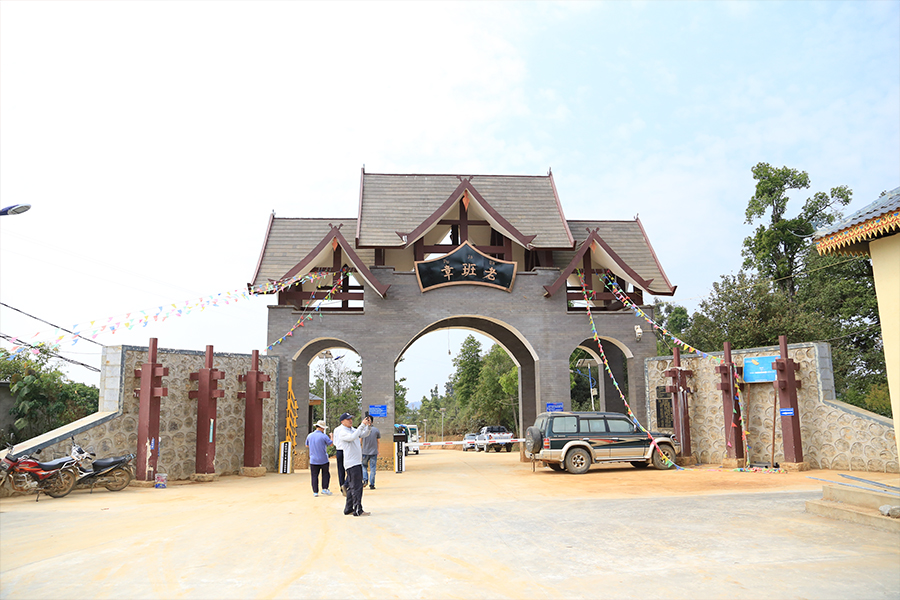
The Taste Profile of Lao Ban Zhang Ancient Tree Tea
Lao Ban Zhang, nestled deep within the Bulang Mountains of Menghai County, Xishuangbanna, Yunnan, is synonymous with premium Pu-erh tea. Revered as the “King of Pu-erh” or the “Tea Sovereign,” its ancient tree tea is celebrated for its bold intensity, bittersweet interplay, and multi-layered complexity, representing the pinnacle of Pu-erh tea’s flavor artistry. I. A…
-
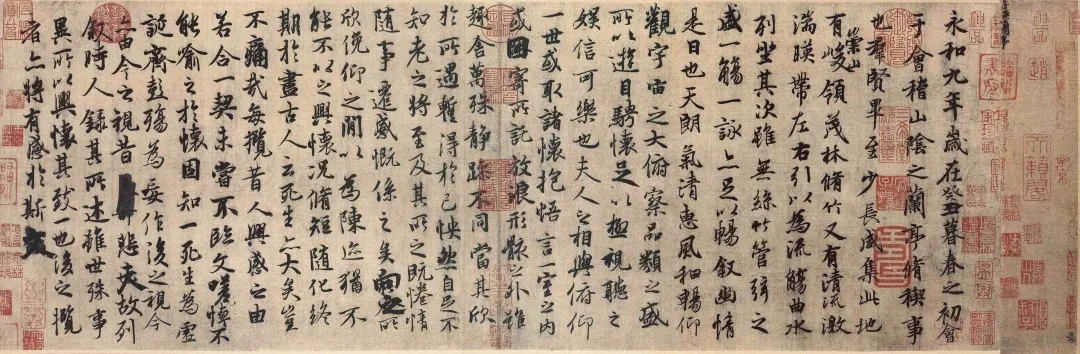
A Concise History of Chinese Calligraphy
Chinese calligraphy, a gem in the world’s artistic treasury, has evolved over three millennia through the medium of Chinese characters. It embodies not only the transformation of writing systems but also the integration of aesthetic sensibilities and philosophical thought, standing as a testament to the profound wisdom of Chinese civilization. I. Origins of Calligraphic Art…