Drinking tea can make people think clearly. Let’s fall in love with tea together!
-
The Lantern Festival: Illuminating China’s Ancient Spring Celebration
1. Origins & Historical Roots Celebrated on the 15th day of the first lunar month, the Yuanxiao Festival (元宵节) marks the grand finale of Chinese New Year celebrations. Its history spans over 2,000 years: The name “Yuanxiao” combines “元” (first) and “宵” (night), meaning “the first full moon night of the year.” 2. Key Traditions & Symbolism…
-

Pu-erh Tea: Health Benefits, Uses, and Cultural Significance
1. Introduction to Pu-erh Tea Pu-erh tea (普洱茶), named after its origin in Yunnan’s Pu’er City, is a unique fermented Chinese tea celebrated for its aging potential and health properties. Unlike other teas, it undergoes microbial fermentation during processing and post-fermentation over years or decades, developing complex flavors and bioactive compounds. Types: 2. Key Health…
-
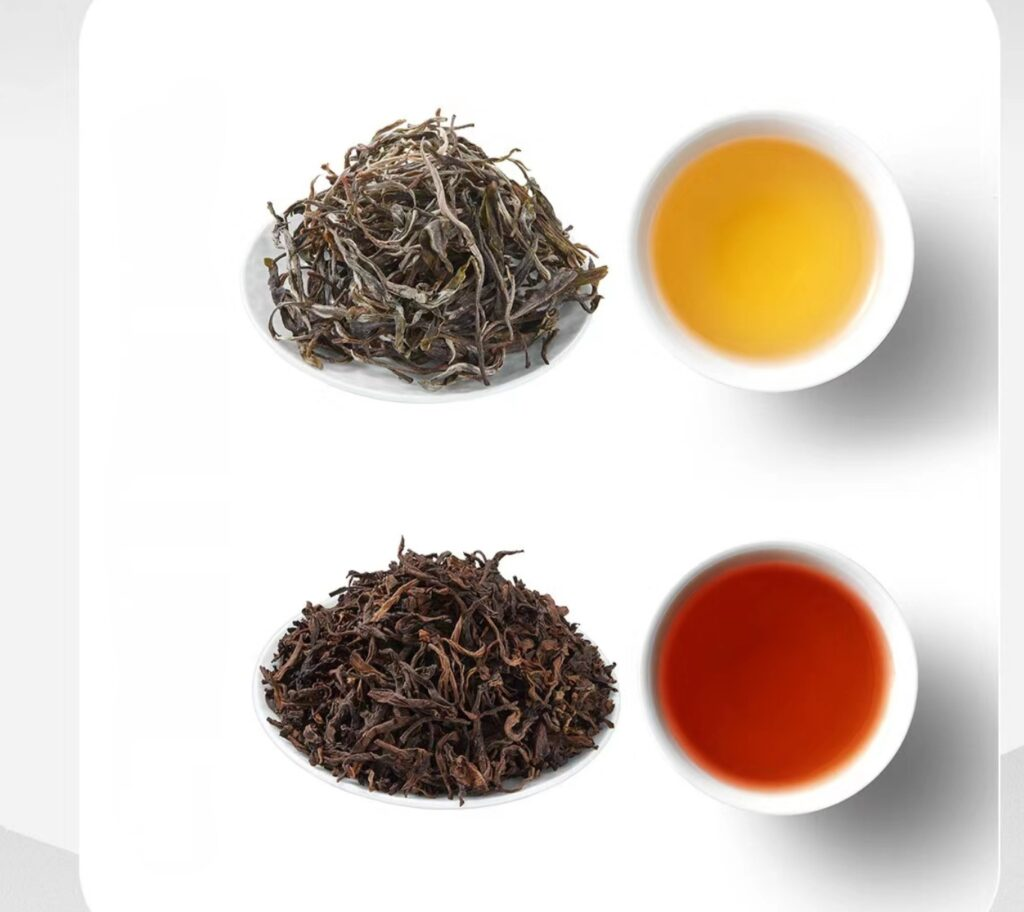
The characteristics of new and old raw Pu’er tea, as well as new and old ripe Pu’er tea.
New Raw Pu’er Tea The aroma is high – pitched, usually presenting floral, honey, milk, or mushroom scents. The taste of the tea soup is highly stimulating and aggressive. The style of the soup body varies, showing characteristics such as being delicate, sharp, thick and smooth, or having a distinct sense of structure. Besides the…
-
Tea Qi
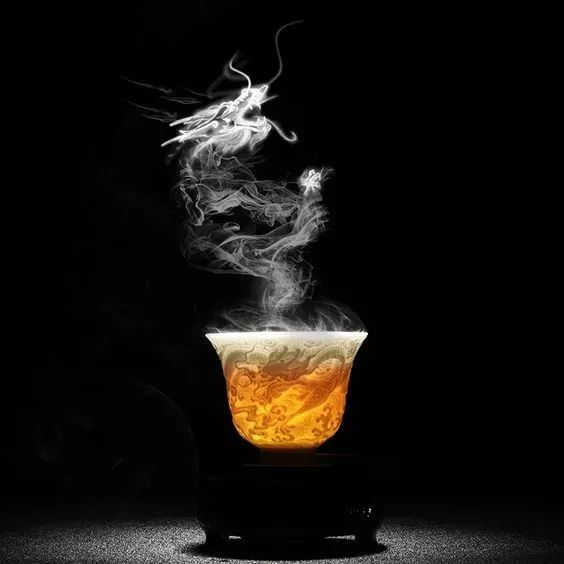
Explanation of Tea-tasting Terms – Tea Qi Tea Qi Explanation of Tea-tasting Terms – Tea Qi The Chinese people highly value artistic conceptions. The most representative ones are definitely calligraphy, traditional Chinese paintings, and even the layout of Chinese-style gardens. Calligraphy works, paintings, and gardens all create an abstract aura through aesthetic perception. This kind…
-
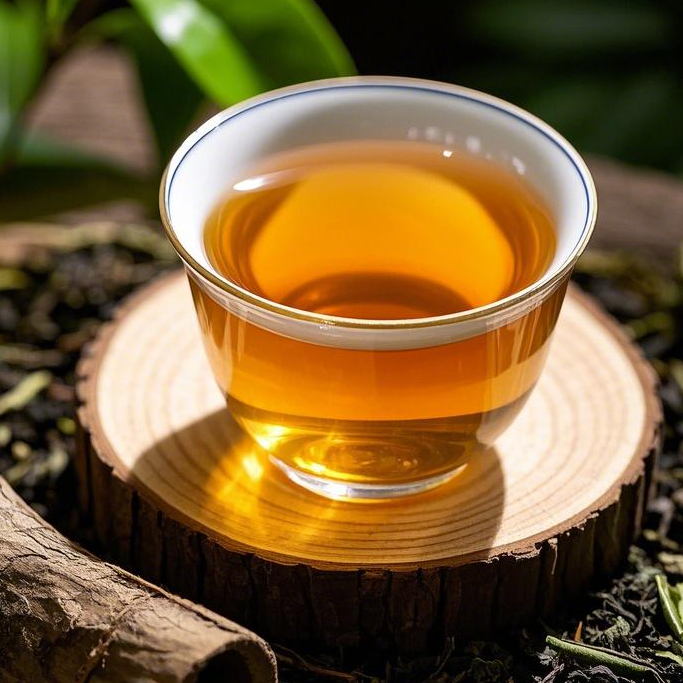
The Thickness and Smoothness of Tea Soup
Thickness of Tea Soup The thickness of tea soup refers to the sense of weight it presents in the mouth, varying from light to heavy. It can be likened to the difference between the sensations of pure water and rice porridge in the mouth. Pure water feels light, while rice porridge feels substantial. This sense…
-
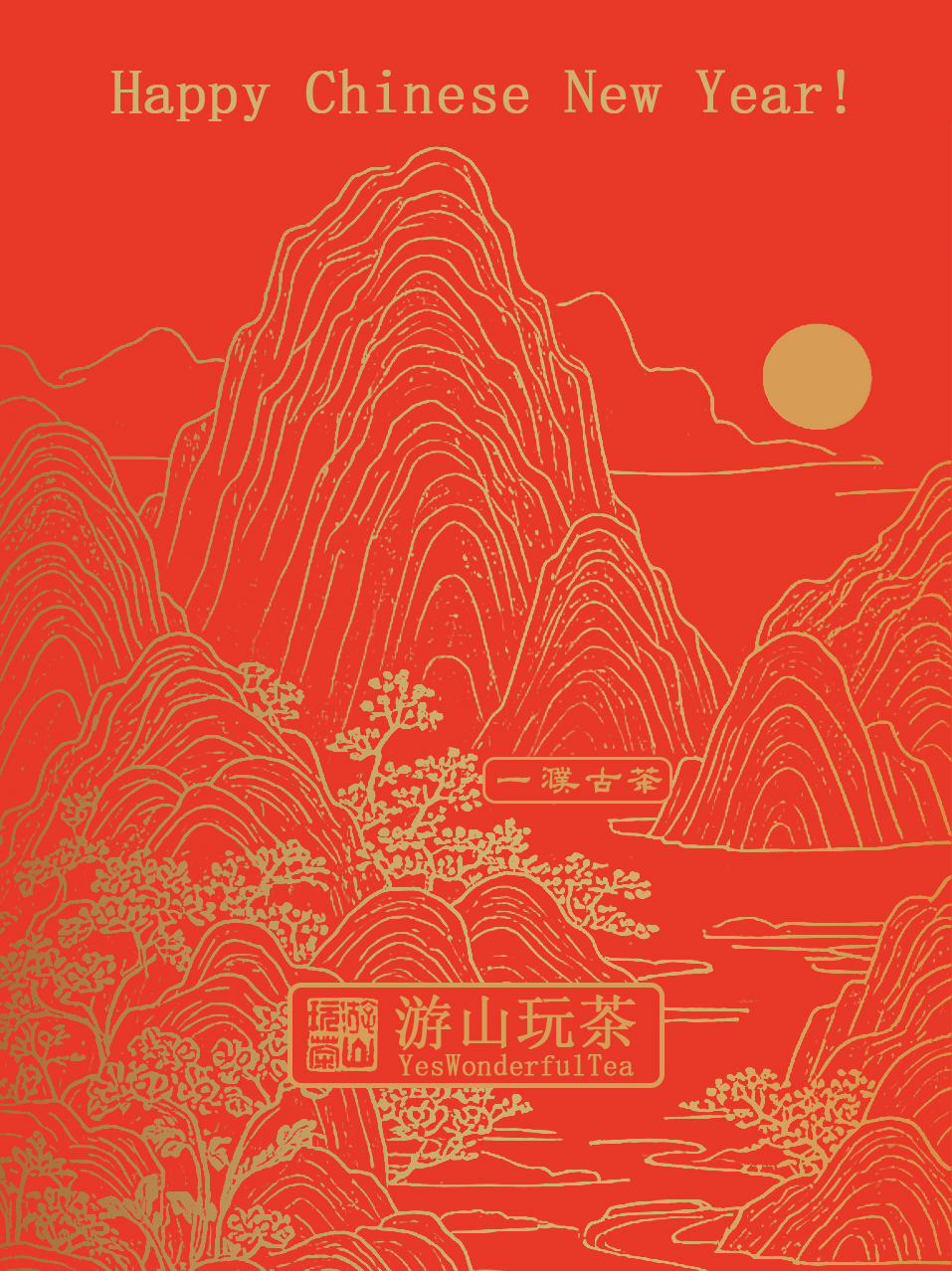
Happy Chinese New Year!
The Spring Festival is just around the corner. This is a New Year’s greeting card designed for you all. I wish you all good luck and every success in the Year of the Snake. In China, each year is represented by a zodiac animal in a cyclic order. The 12 zodiac animals are Rat, Ox,…
-

Yiwu – style Charm of Pu – erh Tea
Yiwu is the only tea – producing area among several major Pu’er tea – producing areas that names its unique charm after the region, which demonstrates the distinctiveness of Yiwu charm. The charm is the overall sum of the aroma, taste, and after – taste experience after the tea soup enters the mouth. It includes…
-
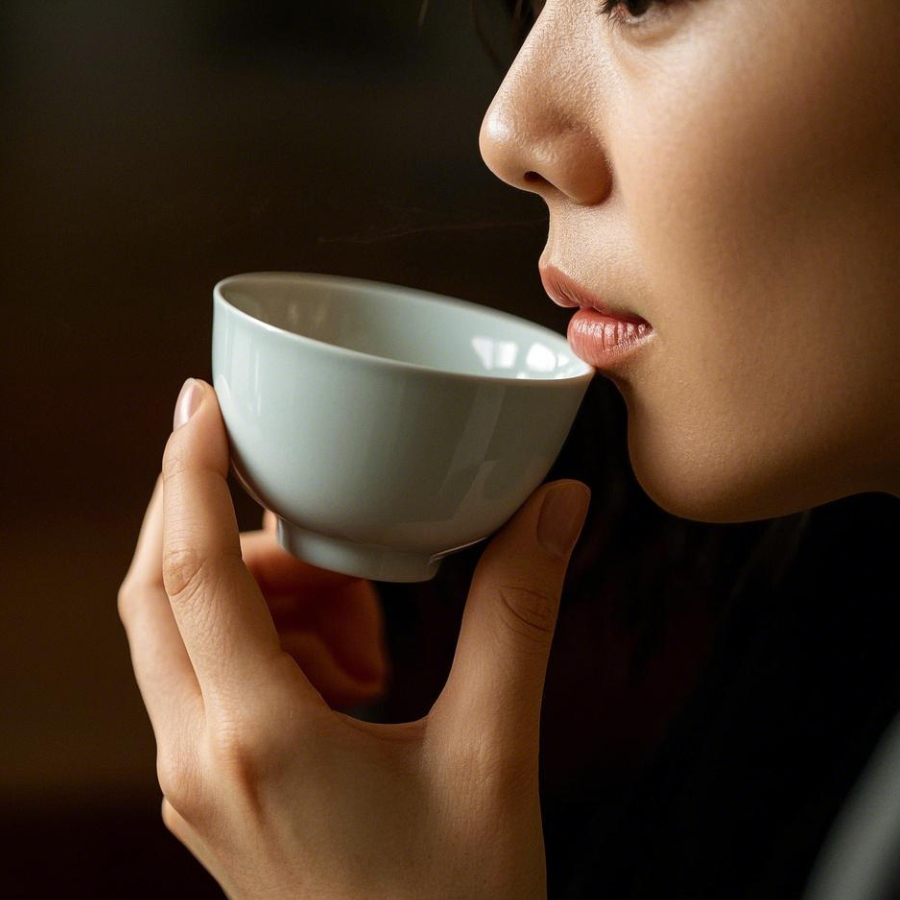
Explanation of tea-tasting terms: “Aroma on the Cup Wall”
“Aroma on the Cup Wall”: It refers to the fragrance that remains on the gaiwan (a kind of Chinese tea set with a lid, a bowl, and a saucer) or the cup after the tea soup in it has stayed for a while or been drunk up.
-
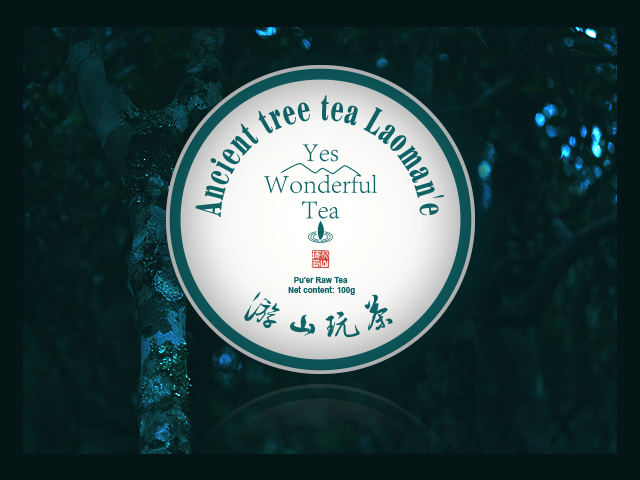
Ideas on the packaging of Pu’er tea
Pu’er tea has the tradition of Yunnan Seven Sons Cake Tea. After being steamed and pressed, the taste of the tea becomes sweeter and moister, and it can be stored for a long time, locking in the flavor of the tea without loss. The packaging style adopts the earliest rubbing printing of texts since the…