In Laobanzhang, the recognized “kingdom” of Pu’er tea, merely saying “I drink Laobanzhang” is no longer sufficient. Beneath this crown lies a clear hierarchical sequence: ancient tree tea, large tree tea, and small tree/tableland tea. Their differences extend far beyond tree age—they form a vast chasm spanning quality, taste, and price.
To grasp these differences, we can visualize them as a pyramid:
1. Pyramid Peak: Ancient Tree Tea – The King Itself
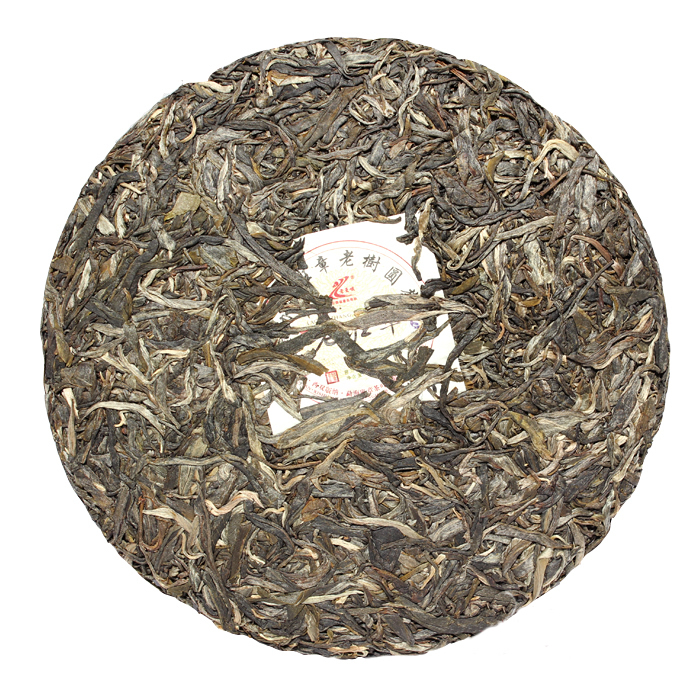
Ancient tree tea sits atop the pyramid, the true cornerstone of Laobanzhang’s reputation for “dominance.”
- Quality & Taste: Ancient tea trees are typically over 100 years old, with deep roots that draw abundant minerals and nutrients from the soil. This creates an unparalleled rich, full-bodied liquor, rapid and long-lasting sweet aftertaste, and powerful, penetrating tea energy. Sipping a cup, the vigorous mountain charm spreads quickly from the depths of the throat, warming the body slightly and triggering copious salivation. This comprehensive, intense sensory experience is unmatched by other grades.
- Price: Consequently, ancient tree tea commands astronomical prices. Raw material costs often exceed tens of thousands of yuan per kilogram, making it a luxury in the Pu’er tea market—primarily for top-tier tasting and high-value collection.
2. Pyramid Body: Large Tree Tea – The King’s Guarding Knights
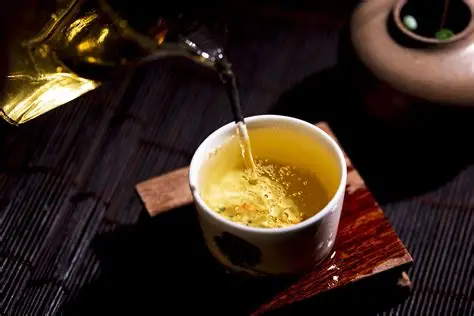
Large tree tea can be regarded as the “brother” of ancient tree tea, with tree ages usually ranging from several decades to 100 years.
- Quality & Taste: It inherits part of Laobanzhang’s essence—tea energy, thickness, and sweet aftertaste are significantly superior to small tree tea, yet slightly inferior to ancient tree tea. The taste is mellow with pleasant lingering notes, serving as an “introductory version” of ancient tree flavor. It is a cost-effective daily choice for many seasoned tea lovers.
- Price: Positioned in the middle range, raw material prices typically fall between several thousand yuan per kilogram, acting as a bridge between top-tier and daily consumption.
3. Pyramid Base: Small Tree/Tableland Tea – The Subjects Outside the King’s City
Small tree tea or artificially cultivated tableland tea forms the broad base of the pyramid.
- Quality & Taste: Due to shorter tree ages and high planting density, their nutrient content is relatively simple. While retaining the basic aroma and sweet aftertaste unique to Laobanzhang’s producing area, the liquor’s thickness, fullness, tea energy intensity, and steeping durability are far inferior to the top two grades. The taste is relatively light with short-lived lingering notes, lacking the stunning layering and sensory impact.
- Price: It is the most affordable option, with raw material prices usually hovering around 1,000 yuan per kilogram, allowing more budget-constrained tea lovers to glimpse the charm of the “Tea King’s” territory.
Summary
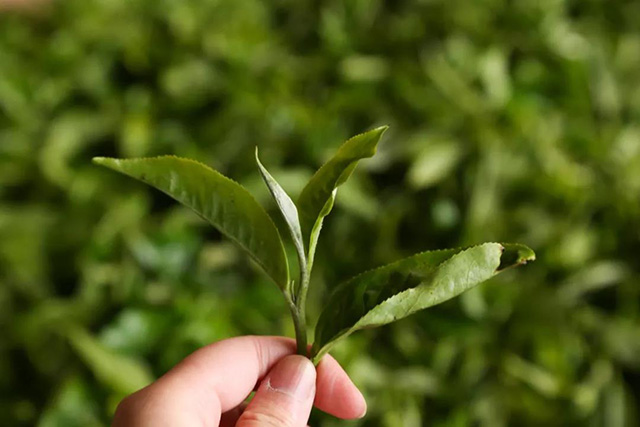
In essence, the differences between Laobanzhang’s ancient, large, and small tree teas are the result of the combined effects of time, nature, and human cultivation. From the ultimate, awe-inspiring experience of the “king,” to the balanced, cost-effective demeanor of the “knights,” and finally to the basic, somewhat subtle regional flavor of the “subjects,” they correspond to distinctly different quality heights and price tiers.