Xigui tea is a unique tea produced in Xigui Village, Lincang City, Yunnan Province. Its name seems unusual, but in fact it contains rich historical and cultural connotations. So why is this tea called “Xigui”?
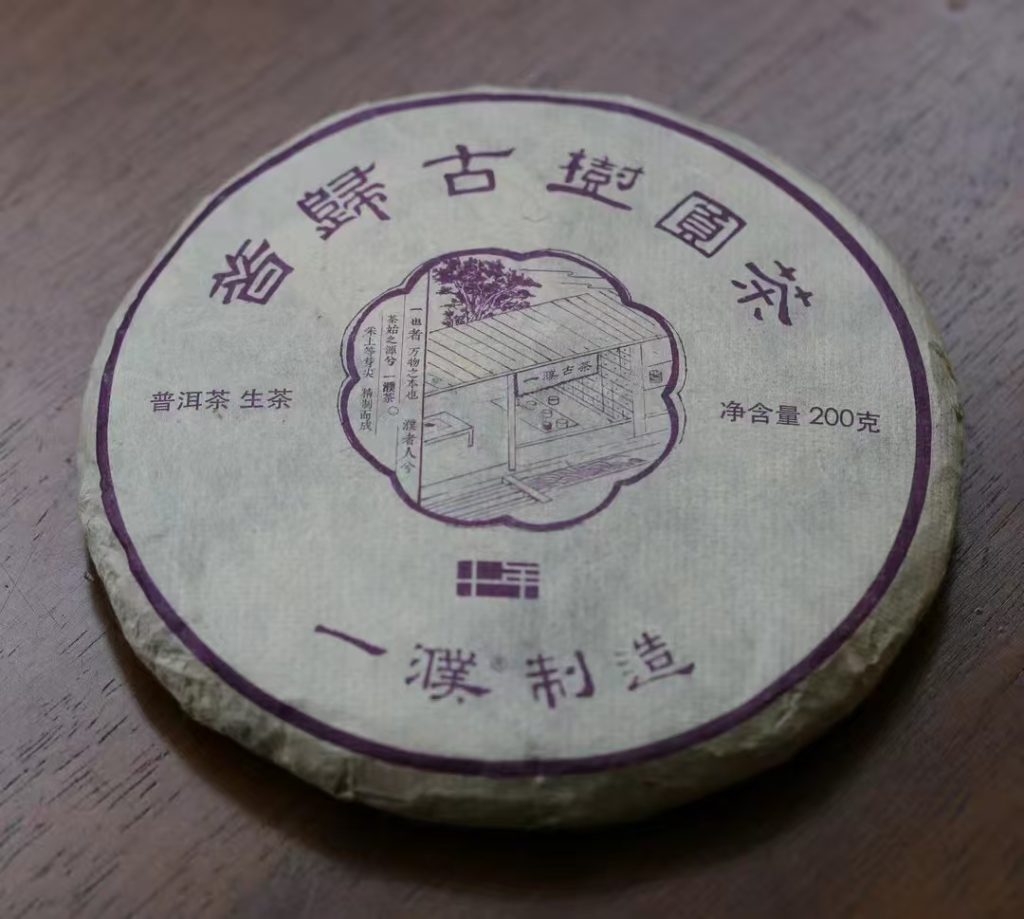
Names such as “Manlu”, “Manlü”, “Mangliu”, “Manglu”, “Manglu” (alternative spelling), “Xigui” (old pronunciation), “Xigui” (current name), and “Gali Ancient Tea” all refer to the same type of tea: Xigui Tea.
What does it mean to return to the past? In the Dai language, it refers to “a place for twisting hemp ropes”. Then, how did the name “Xigui” come into being?
Version 1:
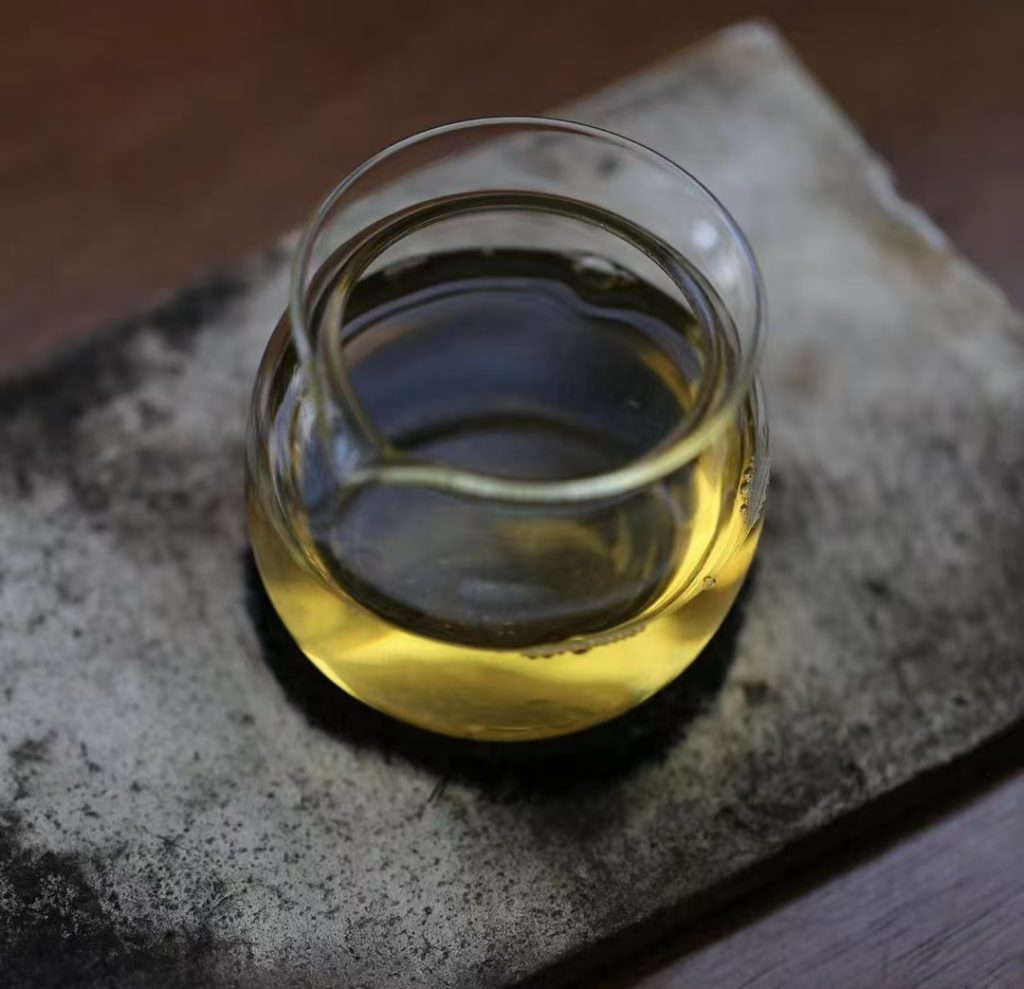
According to the Mianning County Chronicle: “There are about 6,000 to 7,000 households growing tea in the county… In Bangdong Township, Manlu and Xigui (old pronunciation) are especially famous. The color and taste of Manlu tea are better than those of other tea-producing areas. “Through homophonic evolution, “Manlu” became “Manglu” and “Xigui” (old pronunciation) became “Xigui” (current name).
The Lincang County Chronicle records: “The more precious primary-processed green teas are Mangliu Tea and Xiaoguangshan Tea. Mangliu Tea is produced in Mangliu Mountain, Bangdong. It has a strong liquor concentration, clear appearance, and can withstand repeated infusions. It leaves a refreshing aftertaste.” In the local dialect, “Mangliu” and “Manglu” are homophonic.
Additionally, there is the Gali Ferry, named because the Gali River flows into the Lancang River here. Since the mouth of the Gali River is a river beach covering several hundred mu, the main part of Gali Ferry was built on the south bank of the river. Later, it was renamed “Xigui Ferry”, which means “the ferry where people from Jingdong return by crossing the river from the west”. Later, people in Lincang renamed it “Xigui Ferry”, which is also the origin of the name “Xigui”.
Version 2:
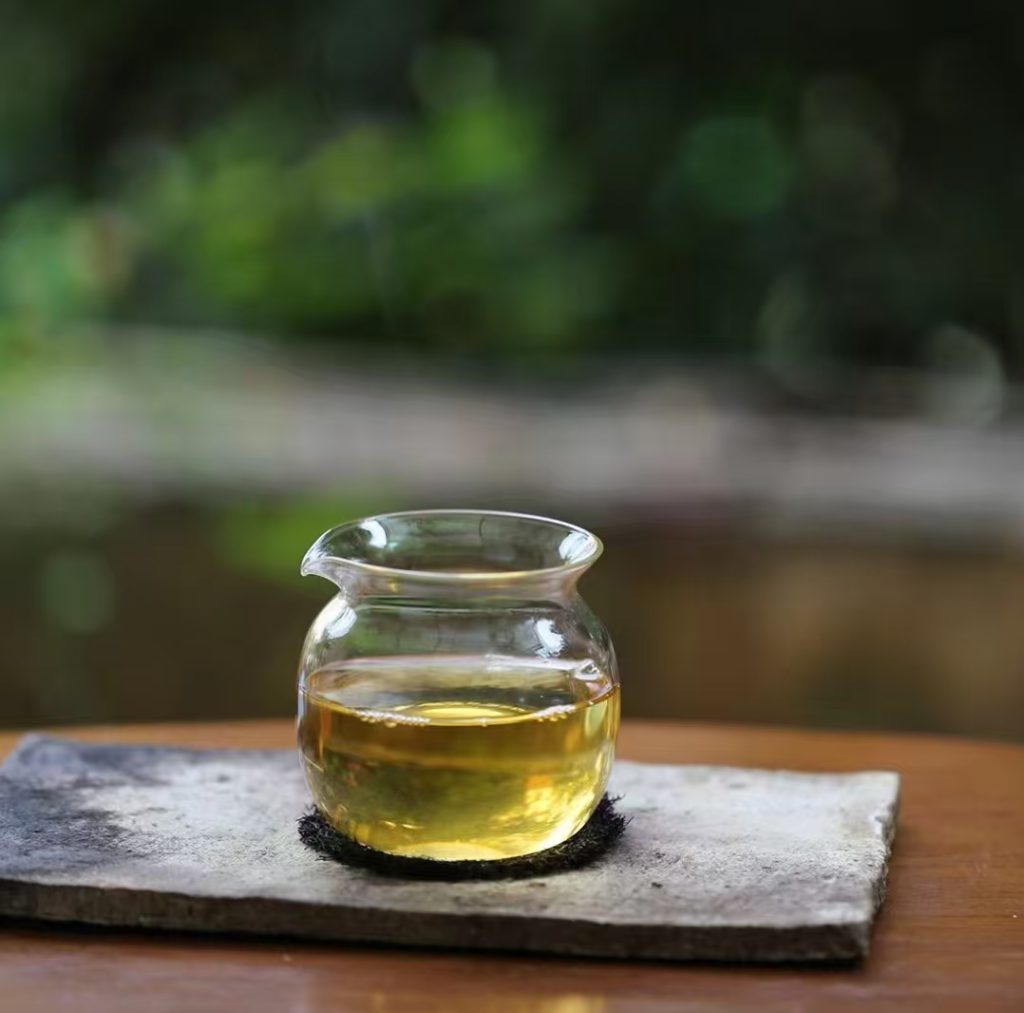
According to historical records, the name of Xigui tea comes from its unique origin. Xigui Village is located on the bank of Lancang River in the eastern part of Lincang City, where the terrain is dangerous, mountains rise one after another, and tea trees grow in a superior environment.
It is said that Xigui Village was originally named “Xingfu Village” (meaning “Happiness Village”). However, a severe flood later displaced the villagers. After the disaster, the villagers returned to their homeland. To commemorate this difficult period in history, the villagers renamed “Xingfu Village” to “Xigui Village”. Consequently, the tea produced in Xigui Village came to be known as “Xigui Tea”.
Version 3:
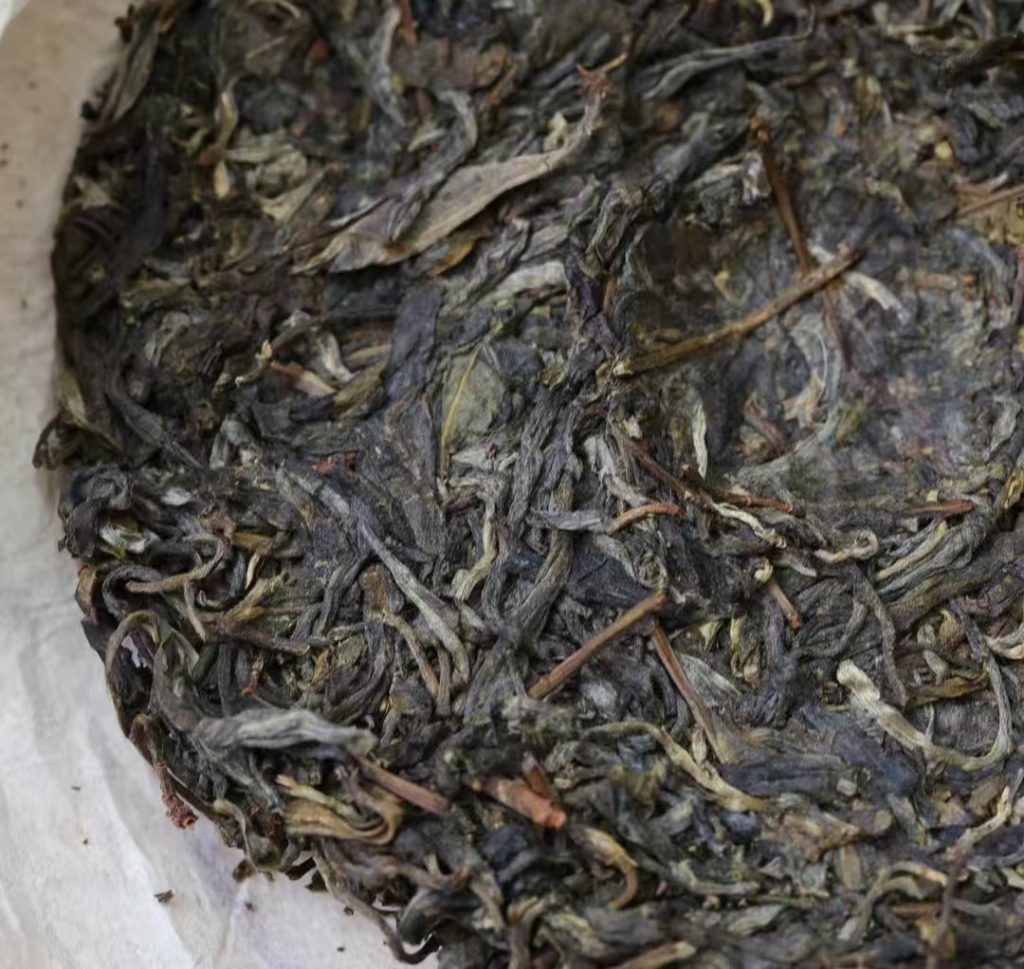
Besides, some veteran tea connoisseurs will also praise Xigui ancient tree tea as “Lover’s Tea”.
The implication of “Xigui” is “the return of former people”, which gives the name its meaning.
There are four lines in The Book of Songs · Minor Odes · Caiwei: “When I left here in the past, willows were swaying gently. Now as I return, snow is falling heavily.” Its meaning is: “When I left to go to war in the past, it was spring with willows flourishing and swaying gently. Now, on my way back, it is snowing heavily all over the sky.”
Although it is snowing heavily when returning today, it still cannot stop the eagerness and enthusiasm of the soldiers returning home after the war. This is only because the hometown has a family for the wanderers to return to, and the hometown has lovers and relatives waiting for their return. This is the best interpretation of the implication of “Xigui”. In other words: “the return of former people” is the meaning of “Xigui”.
Summary
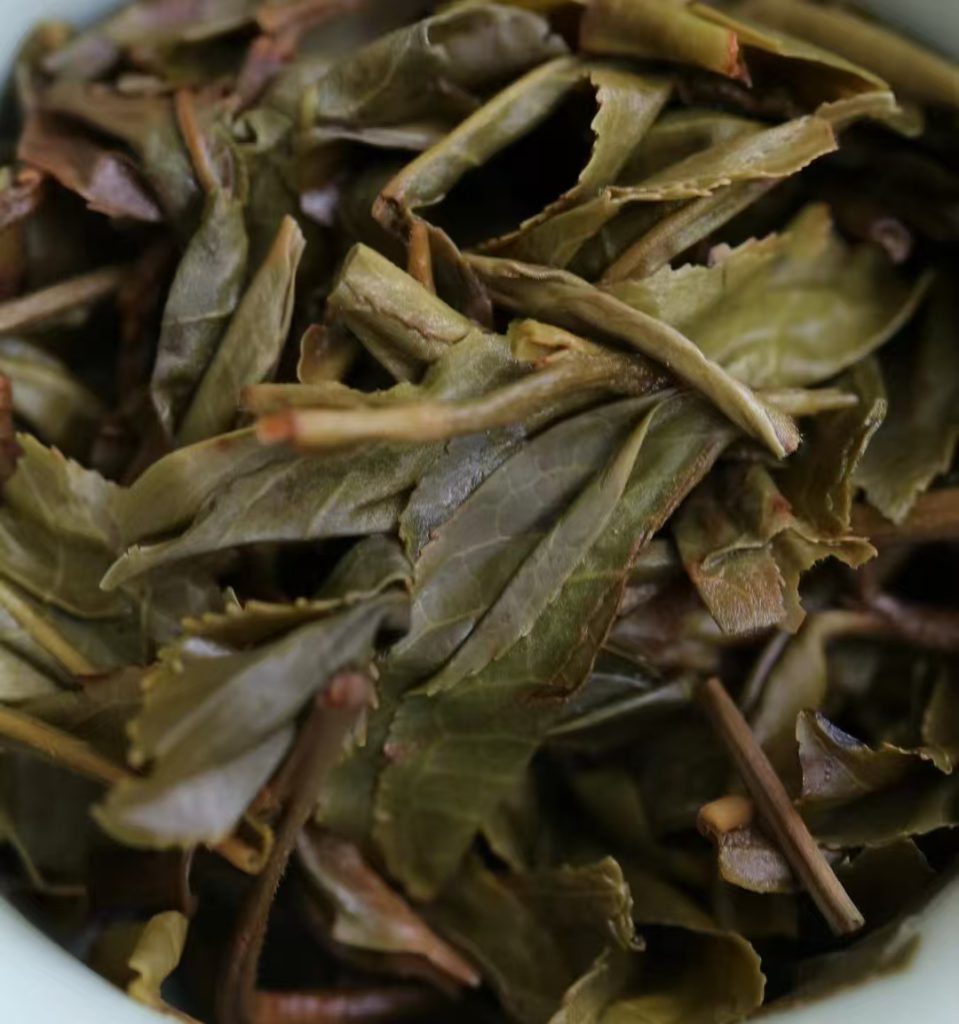
Generally speaking, Xigui tea is called Xigui not only because it is produced in Xigui Village, but also because of its unique cultural and historical background and exquisite production technology. As a tea lover, tasting Xigui tea is not only a delicious drink, but also a profound cultural heritage.