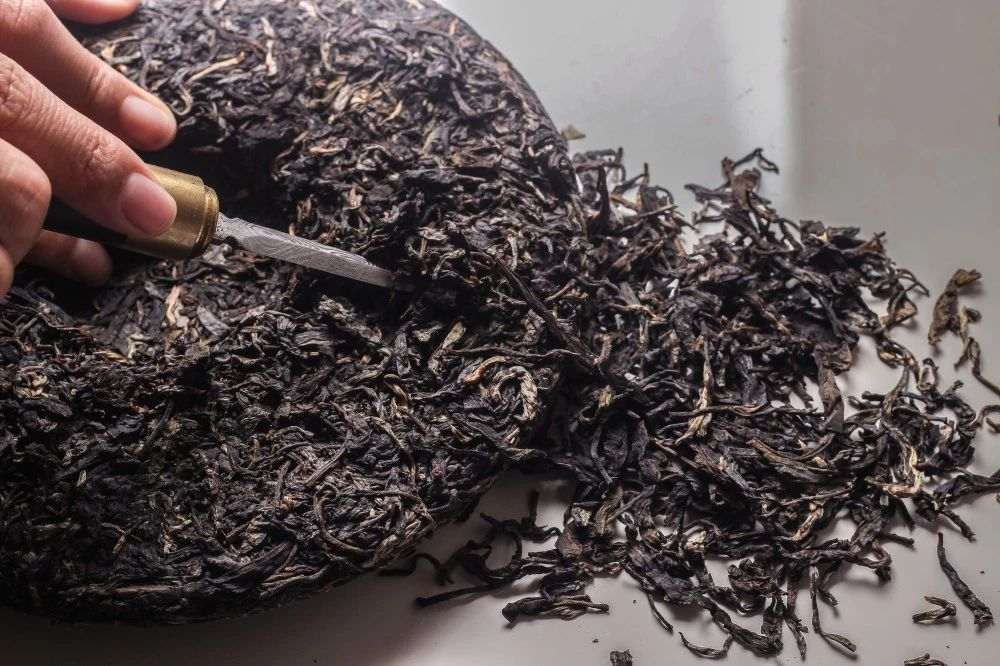
What is “Aging”(Chenhua)?
In simple terms, “aging” (also referred to as “maturation” in some contexts) refers to the process where Pu’er tea, under proper storage conditions, undergoes slow and complex transformations in its internal compounds over time. This causes its liquor color, aroma, and flavor to continually evolve toward a smoother, richer, and more captivating profile.
It is not merely about “storing” or “getting old,” but rather a continuous, dynamic, and living “post-fermentation” process. We can understand the significance of aging for Pu’er tea from the following perspectives:
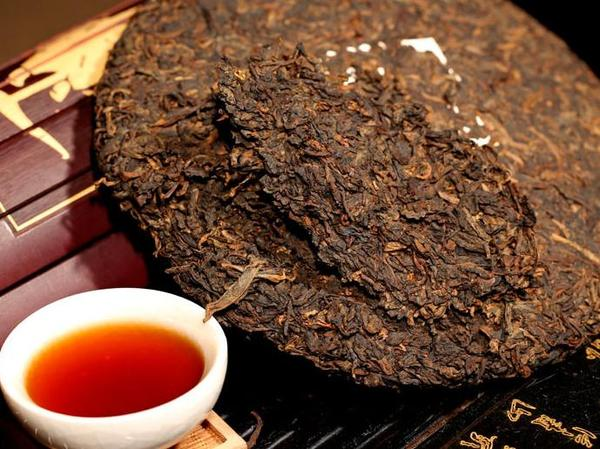
1.For the Tea Itself: A “Evolutionary Revolution” of Flavor
Aging is the indispensable process that takes Pu’er tea from its “unripe, astringent stage” to “mature perfection.”
- From harshness to smoothness:
New Pu’er tea (especially sheng / raw Pu’er) often has a strong taste with distinct bitterness and astringency. During aging, microorganisms and enzymes break down these harsh substances (such as catechins) and convert them into sweeter, richer compounds. This transforms the tea liquor into a smooth, mellow texture with significantly reduced sharpness.
- From simplicity to complexity:
The aroma of new Pu’er tea may be dominated by fresh floral or honey-like notes. Aging acts like a magical chemical reaction, synthesizing entirely new and multi-layered aromas—such as jujube, herbal, camphor, aged wood scents, and even premium notes of orchid or ginseng. Every cup of aged Pu’er is an adventure for the sense of smell.
- From clear brightness to reddish glow:
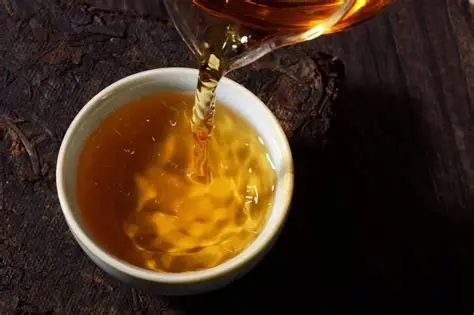
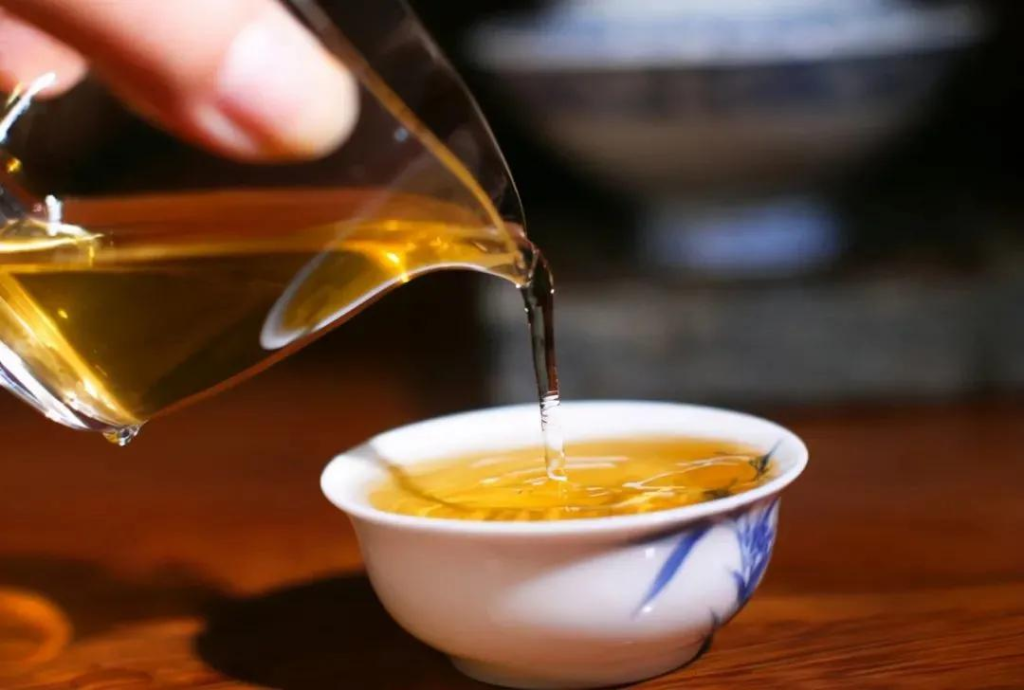
The liquor color evolves over time. Raw Pu’er transitions from yellow-green to an appealing chestnut red or wine red, while the liquor itself becomes more translucent and lustrous. Visually, it offers a comforting elegance, like gazing at smooth jade.
In short, aging transforms Pu’er tea from a “sharp, unpolished young adult” into a “calm, profound elder with countless stories to tell.”
2. For the Drinker: An “Elevated Experience” of Wellness and Appreciation
- A Shift in Tea Character:
New Pu’er tea (especially sheng / raw Pu’er) is considered cooling in nature and may be too stimulating for some people’s stomachs. Through aging, its character gradually becomes milder and warmer, making it more suitable for daily consumption by a wider range of people. It offers a deeper, more nurturing feeling to the body.
- The Peak of Tea Drinking Experience:
For enthusiasts, brewing a cup of well-aged Pu’er is not just about drinking tea—it’s about appreciating time itself. Savoring the complex flavors shaped by years of transformation offers a sense of ultimate enjoyment and aesthetic pleasure.
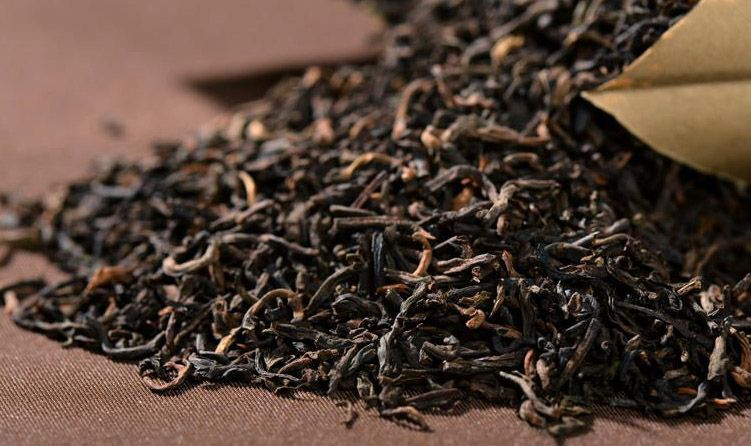
3. For Pu’er Culture: The “Cornerstone” of Its Core Value
- The Foundation of “The Older, The Fragrant”:
This phrase is the core value proposition of Pu’er tea, and it is made possible precisely through aging. Without aging, there would be no “The Older, The Fragrant” — the unique promise that Pu’er improves with time.
- The attribute of collectibility:
Precisely because aging brings positive changes, Pu’er tea, like wine and whiskey, possesses collectible and investment value. People are willing to buy and store high-quality Pu’er, hoping that it will deliver more wonderful flavors and higher value in the future.
Which Types of Pu’er Tea Are Not Suitable for Long-Term Storage?
- Low-quality tea: Tea made from poor raw materials or processed incorrectly will remain “rubbish” no matter how long it is stored—it will never turn into a valuable product.
- Fake aged tea artificially aged in wet storage: To pass off as genuine aged tea, some use high-temperature and high-humidity conditions to accelerate “aging.” Such tea is often moldy and harmful to health.
- Over-fermented ripe Pu’er (shu Pu’er): Ripe Pu’er has already completed most of its transformation during the wo dui (wet piling) fermentation process. Although it can still be stored to improve its taste, its room for improvement is far less than that of raw Pu’er (sheng Pu’er). Typically, storing it for 5 to 10 years is sufficient to make it highly suitable for drinking.
Conclusion
Aging is the second bloom of Pu’er tea’s “life.” It is not a passive wait, but a process that harnesses the power of time and nature. Through the decomposition and synthesis of microorganisms, the raw, harsh substances in the tea are transformed into new, mellow, gentle, and complex compounds—ultimately achieving the unique value of “the older, the better.” This is precisely what makes Pu’er tea so fascinating: it is a “living tea,” a tea that continues to surprise you as time goes by.