Pu’er tea is strictly defined by Chinese national standards as a geographically protected product unique to Yunnan. Its identity is built on three key elements: specific origin, specific raw materials, and specific processing methods. Below is a simplified explanation based on the official standard (GB/T 22111-2008):

Specific Origin
Pu’er tea must come from 639 designated towns across 11 prefectures in Yunnan Province,(including Xishuangbanna Dai Autonomous Prefecture, Pu’er City, Lincang City, Baoshan City, etc.). The climate, soil, altitude, and other natural conditions in these areas lay the foundation for Pu’er tea’s unique flavor. Tea leaves from non-Yunnan areas cannot be called Pu’er tea, even if processed using similar techniques.
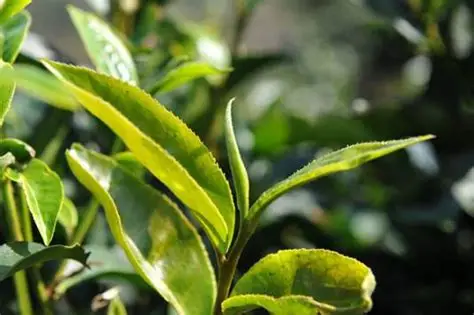
Specific Raw Materials
Pu’er must be made from Yunnan large-leaf variety (Camellia sinensis var. assamica) tea leaves that have been processed into sun-dried rough tea (晒青毛茶).
Yunnan large-leaf tea trees: A type of tea tree with larger leaves, which are rich in substances like tea polyphenols and caffeine. These substances provide the basis for Pu’er tea’s aging process later.
sun-dried rough tea : A key initial processing step. After fresh tea leaves are blanched (to stop enzyme activity) and rolled, they must be dried in the sun—not by machine or pan-frying. This process preserves active enzymes and microorganisms needed for the tea’s subsequent fermentation.
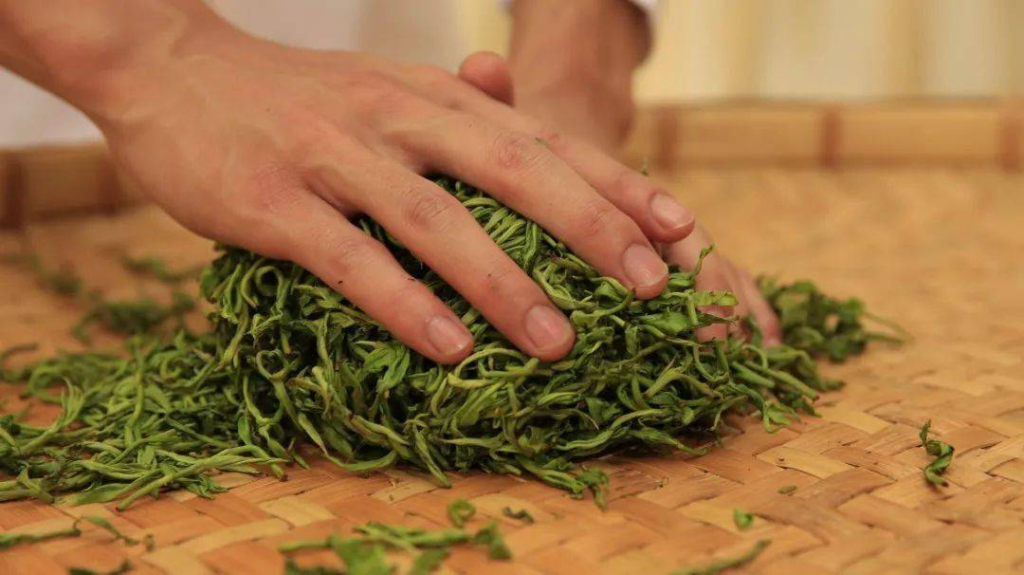
Specific processing methods
The core process is: sun-dried tea → post-fermentation.
There are two types of fermentation:
Natural fermentation (for raw Pu’er): The tea is compressed or left loose and ages slowly over time through natural microbial activity.
Artificial pile fermentation (for ripe Pu’er): The tea undergoes controlled warm and humid conditions to speed up microbial fermentation and reduce aging time.
Summary
Pu’er tea is a unique tea from specific regions of Yunnan. It is made from sun-dried leaves of the Yunnan large-leaf tea plant and processed through post-fermentation within the protected geographic zone. It is divided into two types: raw (sheng) and ripe (shou) Pu’er.