Dry Storage
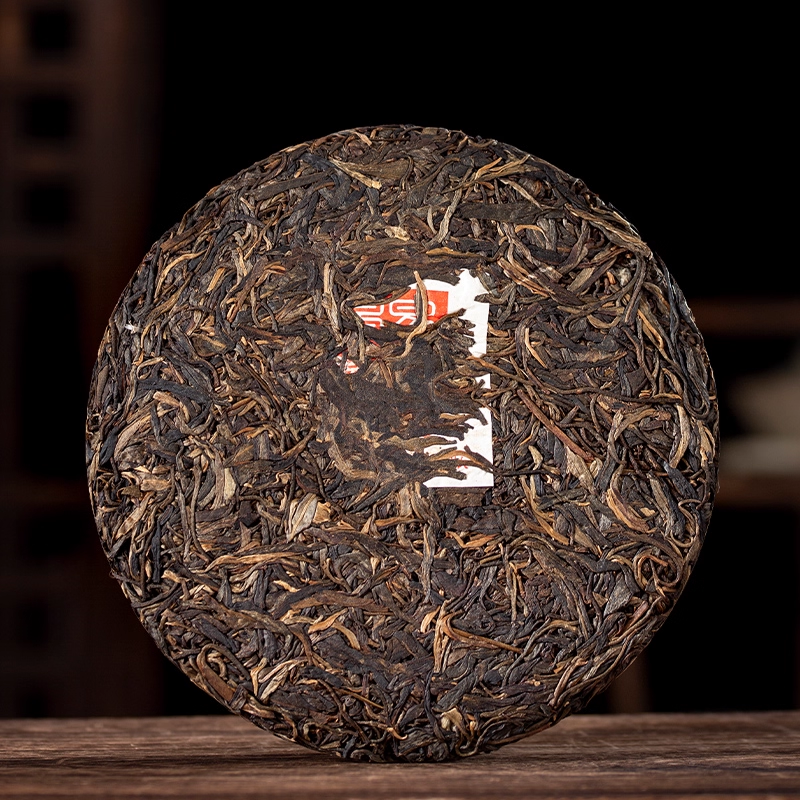
Definition: Refers to storing Pu’er tea in a dry, well-ventilated, and stable environment (typically 20-25°C, 50-70% relative humidity) under natural conditions.
Characteristics:
- Slow transformation: The tea ages naturally and gradually.
- Bright liquor: The tea soup exhibits a chestnut red or amber color, appearing clear and transparent.
- Pure taste: The tea offers an elevated aroma, rich and mellow flavor, with a sweet aftertaste and lingering freshness, preserving the tea’s inherent qualities.
- Active spent leaves: The brewed leaves remain soft and resilient.
Regarded as the traditional and mainstream storage method, it better showcases the value of Pu’er tea developing richer flavors over time.
Wet Storage
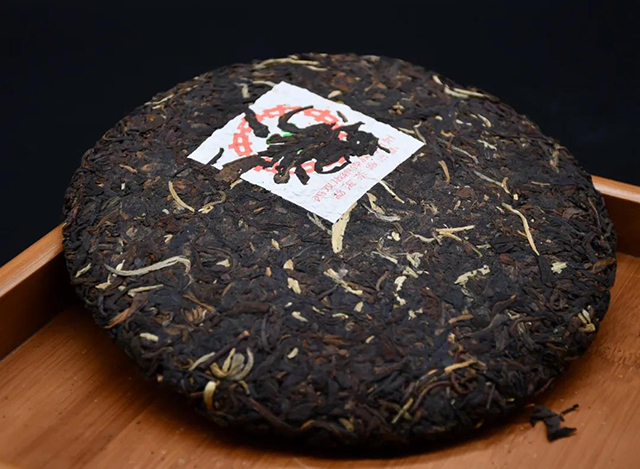
Definition: Refers to artificially controlling the storage environment with high temperature and high humidity (typically above 25°C, over 80% relative humidity) to accelerate the aging process of Pu’er tea.
Characteristics:
- Rapid transformation: Artificial acceleration of fermentation shortens the aging time.
- Dark and dull liquor: The tea soup appears darker and more turbid.
- Presence of storage odor: Often carries a musty or dull aged smell, requiring “airing out” treatment.
- Dark spent leaves: The brewed leaves appear darker and lack elasticity.
This is a controversial technique. If not properly managed, it can lead to mold growth, posing potential health risks.
Summary:
The core difference between “dry storage” and “wet storage” lies in the temperature and humidity of the storage environment. Dry storage occurs in a naturally dry, stable environment, while wet storage involves artificially controlled high temperature and high humidity. These conditions directly impact the aging speed, flavor, and quality of Pu’er tea.